


On this page
A latte is espresso and steamed milk. The name is short for caffè latte, Italian for coffee with milk, and that is all it is: a double shot of espresso, several times that volume of hot milk, and a thin layer of foam on top.
What separates it from the other milk drinks is the proportions. A latte is the milkiest of them. That is why it tastes smooth and mild compared with a cappuccino or flat white made from the exact same shot.
The Latte Ratio
At home we make a latte with 18 grams of ground coffee pulled to 36 to 40 grams of espresso, then 6 to 8 ounces of milk. That works out to roughly one part espresso to three or four parts milk.
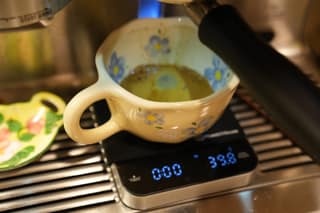
Café sizes stretch that ratio. A 12-ounce latte usually gets the same double shot as an 8-ounce one. A 16- or 20-ounce latte might get a third shot, or might not. Either way the extra size is mostly milk, which is why a large latte tastes weaker than a small one from the same café.
If you make lattes at home and want them stronger, use a smaller cup rather than a bigger dose. Our latte guide walks through the full routine, and our espresso ratio guide explains where the 18-in, 36-out numbers come from.
The Milk Matters as Much as the Shot
Milk is three-quarters of the drink, so it is not an afterthought.
Whole milk is the standard. It steams easily, holds foam, and its fat carries the espresso flavor. Two percent works and tastes a little thinner. Skim foams well but tastes watery under espresso. Among plant milks, oat milk behaves most like dairy and is what most cafés reach for.
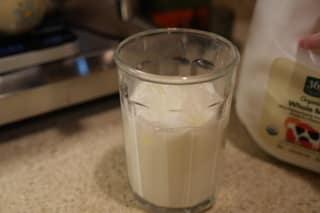
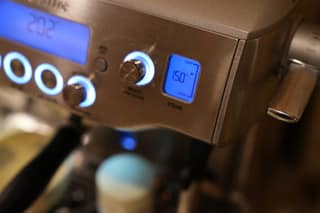
For a hot latte the milk is steamed to around 140 to 150°F. Past about 160°F it starts to taste cooked and loses its sweetness. We leave the automatic wand on our Breville Oracle set to 150°F and have never wanted it hotter.
The foam on a latte should be thin and glossy, more like wet paint than whipped cream. A thick cap of dry foam is a cappuccino, not a latte.
Hot Latte vs. Iced Latte
The ingredients are identical. The order changes.
A hot latte is a double shot in the cup first, with steamed milk poured over it. The pour blends them and leaves the foam on top.
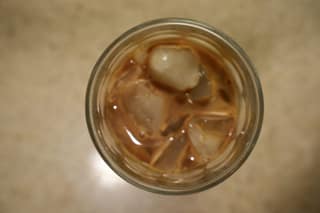
An iced latte is ice in a tall glass, cold milk over the ice, and the espresso poured on top last. The milk cools the espresso before it reaches the ice, so the drink stays cold without going watery.
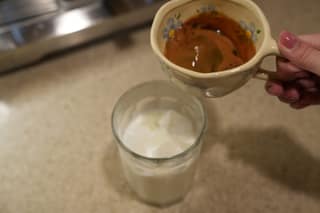
There is no foam on an iced latte. Some cafés shake the milk for a cold-foam top, but that is an addition, not part of the drink. Our iced latte guide covers the small details that keep it from tasting diluted.
Latte vs. Cappuccino vs. Flat White vs. Cortado
All of these start with espresso and milk. They differ in size, foam, and ratio.
| Drink | Size | Espresso | Milk and foam | How it tastes |
|---|---|---|---|---|
| Latte | 8–12 oz | Double shot | Mostly steamed milk, thin foam | Mild, smooth, milky |
| Cappuccino | 5–6 oz | Double shot | Equal parts espresso, milk, and foam | Stronger, airy, foamy |
| Flat white | 5–6 oz | Double shot | Steamed milk with fine microfoam, no foam cap | Strong and silky |
| Cortado | 4 oz | Double shot | Equal parts espresso and lightly steamed milk | Espresso-forward |
| Macchiato | 2–3 oz | Double shot | A spoonful of foam on top | Nearly straight espresso |
The espresso does not change. If you can pull one good double shot, you can make every drink on this list by changing the milk.
A cappuccino is the latte's closest relative. The difference is foam: a cappuccino is roughly a third espresso, a third steamed milk, and a third foam, so it is lighter in the cup and tastes stronger. A flat white keeps the latte's silky milk but in a smaller cup with almost no foam, so the espresso comes through more. A cortado is smaller still, with just enough milk to take the edge off. A macchiato is espresso with a mark of foam, not the caramel drink some chains sell under that name.
Caffeine in a Latte
A latte has the caffeine of whatever espresso went into it. A double shot is a double shot whether it is under 4 ounces of milk or 16. Milk adds volume and calories, not caffeine.
If you want less caffeine, ask for a single shot. If you want more, ask for an extra shot. Ordering a larger size does neither.
How to Make One at Home
You need an espresso machine with a steam wand, or at least a way to make real espresso and froth milk. A drip brewer makes good coffee, but coffee and milk is not a latte. Espresso's concentration is what lets the flavor survive all that milk.
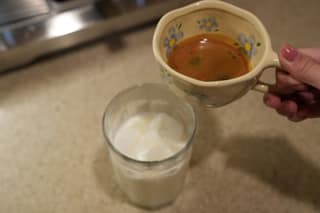
Our step-by-step latte guide covers the whole routine on our Breville Oracle: weighing the beans, pulling the shot onto a scale, and both the steamed and iced versions. If you are shopping for a machine, our best espresso machines guide explains which ones make milk drinks easy and which ones make you earn them.
More Coffee Guides
Frequently asked questions
What is the ratio of espresso to milk in a latte?
Roughly one part espresso to three or four parts milk. A typical home latte is a double shot of about 36 to 40 grams of espresso with 6 to 8 ounces of steamed milk. Bigger café sizes add milk, not espresso, which is why they taste weaker.
What is the difference between a latte and a cappuccino?
Both start with the same espresso. A cappuccino uses less milk and much more foam, roughly a third each of espresso, steamed milk, and foam. A latte is mostly steamed milk with only a thin layer of foam on top.
What is the difference between a latte and a flat white?
A flat white is smaller, usually 5 to 6 ounces, with the same double shot. The milk is steamed with very fine microfoam and almost no separate foam layer, so it tastes stronger and silkier than a latte.
How much caffeine is in a latte?
The same as the espresso in it. A latte made with a double shot has the caffeine of a double shot, no matter how much milk is added. Ordering a larger size usually adds milk, not caffeine.
Is an iced latte the same as a hot latte?
Same espresso, same milk, different assembly. A hot latte is espresso with steamed milk poured over it. An iced latte is cold milk over ice with the espresso poured on top. We make both on the same machine.


