


On this page
Single dosing means weighing the beans for one drink, grinding exactly that amount, and keeping the hopper empty the rest of the time. It is the opposite of the usual approach, which is to fill the hopper and let the grinder dispense from it.
We single dose every shot on our Breville Oracle, even though it has a hopper that holds half a pound. Here is why, and how.
Why We Do It
The dose is exact. A grinder dispensing by time from a full hopper varies by a gram or more as the bean level changes and the burrs warm up. A gram is about 5 percent of an 18-gram dose, enough to shift a shot from balanced to sour. When you weigh the beans, the dose is the dose.
The beans stay fresh. Beans in a hopper sit exposed to air and light, and the ones at the bottom can be there for days. Beans in a sealed bag stay fresher. Single dosing means every shot comes from the bag, not from the bottom of the hopper.
Switching coffee is easy. With an empty hopper, you can pull a decaf after dinner or try a new bag without emptying and purging the grinder.
The cost is about ten seconds per drink. We think that is a bargain.
Step 1: Weigh the Beans
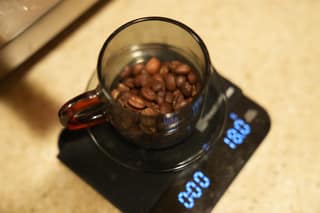
Put a small cup on the scale and tare it. Pour beans from the bag until it reads your dose. We use 18 grams for the Oracle's double basket. Our espresso ratio guide explains that number.
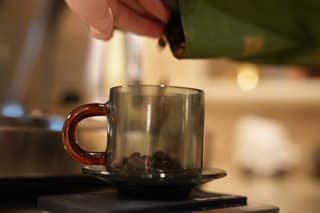
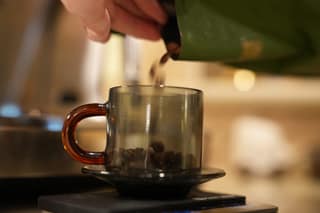
Whole beans, not grounds. Weighing before grinding is faster and avoids handling grounds. The grinder will hold back a few tenths of a gram; it is not worth chasing.
Step 2: Pour Them Into the Empty Hopper
Tip the cup into the hopper and lock the lid. On the Oracle the hopper locks with a quarter turn; the knob shows lock and unlock arrows.
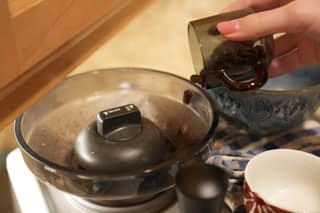
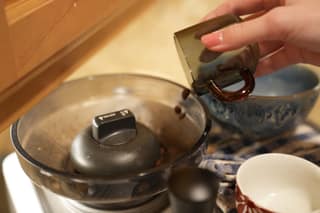
The hopper on a single-dosed machine always looks nearly empty. It is supposed to.
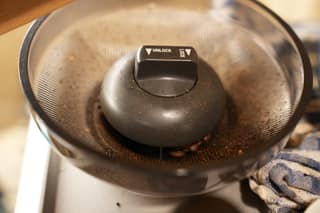
Step 3: Grind Until It Runs Out
Seat the portafilter in the grinder cradle and start the grinder. On the Oracle, pushing the portafilter in starts the automatic grind, dose, and tamp cycle. With a single dose in the hopper, the grinder simply runs until the beans are gone.
A few beans can bounce around in a nearly empty hopper and take a moment to feed. If the grinder sounds like it is running empty while a bean or two sits in the corner, a tap on the hopper settles them.
The grounds come out at the usual weight minus whatever stays in the burrs. On ours that is a few tenths of a gram, and it is the same few tenths every time, so it does not affect consistency.
What About Retention?
Every grinder holds some grounds between the burrs and the chute. This is called retention. With a full hopper, the retained grounds from the last shot get pushed out by the new ones, so you are always drinking a little bit of old coffee.
With single dosing, the same thing happens. A gram or so of yesterday's grounds comes out first. If you care, run a few beans through before the real dose and discard those grounds. We do not bother for everyday drinks and have never tasted the difference.
When a Full Hopper Makes More Sense
Single dosing is not for everyone. If you make six drinks in a row for a houseful of guests, a full hopper is faster. If you are happy with the taste of your shots and never change beans, there is less to gain. And some grinders dose by weight from the hopper, which solves the consistency problem without the extra step.
For a household making one or two drinks at a time from a bag that lasts a couple of weeks, single dosing keeps the coffee fresher and the shots more predictable. It is the first habit we would suggest to anyone whose shots vary from day to day.
More Coffee Guides
Frequently asked questions
What is single dosing?
Weighing out the beans for one shot, grinding exactly that amount, and keeping the hopper otherwise empty. The alternative is filling the hopper and letting the grinder dose by time or weight from a full load.
Why single dose instead of filling the hopper?
Two reasons. The dose is exact every time, because you weighed it. And beans are not sitting in the hopper for days losing freshness. Both make shots more consistent.
Can you single dose on a machine with a built-in grinder?
Yes. We do it on our Breville Oracle. Weigh the beans, pour them into the empty hopper, and grind until it runs out. A few beans may stay behind in the burrs; that is normal.
Does single dosing waste coffee?
Less than a full hopper does. A hopper full of stale beans is the real waste. Single dosing grinds only what you drink. The grinder keeps a gram or so of grounds between shots, the same as it would otherwise.
How many grams of beans for a double shot?
About 18 grams for a standard 58 mm double basket. Check your basket's range; most take 16 to 20 grams. Weigh whole beans before grinding rather than grounds after.


