On this page
A pool pump that is running but not moving water is not usually broken. The motor is doing its job; the water is not getting to it. Most of the time the fix is on the suction side, between the pool and the pump, and it takes a few minutes to find.
The filter is the thing people blame first, and it is near the bottom of the list. A dirty cartridge filter restricts flow, but it does it with a high pressure reading. Weak flow with a low or normal reading means something upstream.
First, Confirm What "Running" Means
Look at the pump itself, not just the controller. A variable-speed pump can be "on" at a very low circulation speed that barely moves the return jets, or it can be sitting in a priming cycle.
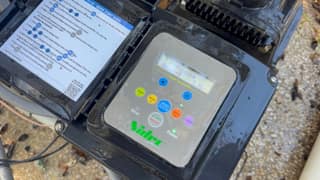
Check the display for the current speed and whether a schedule, priming cycle, or error state is active. Then look through the clear pump lid. A primed pump has a basket full of water. A pump that has lost prime shows air, a half-empty basket, or water sloshing without filling the housing.
If the basket will not fill within the priming time the manual specifies, shut the pump off. Running dry overheats the shaft seal.
Check the Water Level
If the pool is low enough that the skimmer is pulling air along with water, the pump cannot hold prime. Look at the skimmer opening. Water should cover it well enough that the weir door floats and a steady sheet flows in. Fill the pool to the level the skimmer manual calls for, then retry. On an above-ground pool, I cover the specifics in how to clean an above-ground pool skimmer.
Check the Baskets
Shut the pump off and make sure it cannot restart before putting a hand near either basket.
Skimmer basket. A basket packed with leaves after a windy day can restrict flow enough to starve the pump. Empty it, rinse it, and check that it sits properly in the housing.
Pump basket. Relieve pressure at the filter's air relief first, then open the pump lid. Empty the basket and check the lid O-ring for debris, cracks, or dryness. A lid that does not seal lets air in on every start. Refit the lid per the manual, fill the housing with water if the manual calls for it, and restart.
Check the Valves
Walk the suction plumbing from the skimmer and main drain to the pump. Every valve should be in its normal filtering position. One that was closed for a cleaning job, a cleaner line, or a spa and left that way is a common cause of a pump that runs and pulls nothing. Photograph the normal positions once so you have a reference.
Also check the return side. If the filter was just opened, make sure the isolation valves were reopened before the pump was started. That is the step that gets missed at the end of a cartridge change.
Look for Air Getting In
Persistent bubbles from the return jets, a pump basket that never quite fills, or a pump that primes and then slowly loses it all point to an air leak on the suction side. The usual spots are the pump lid O-ring, the drain plugs on the pump housing, unions on the suction line, and valve stems. Look for weeping or a wet spot with the pump running; a slow water leak on the suction side becomes an air leak when the pump pulls.
A leak that will not seal with a clean O-ring and a properly tightened lid is a repair job, not an adjustment.
Then Consider the Filter
Once the suction side checks out, look at the filter gauge at your normal pump speed. If the reading is well above your clean baseline, dirty cartridges are restricting flow and cleaning will help. The procedure is in how to clean pool filter cartridges.
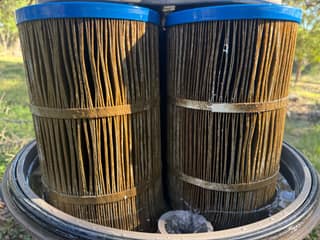
If the gauge reads lower than normal while flow is weak, the filter is not the cause. The water is not reaching it. Go back to the suction side.
Bleed the Air After Any Fix
Whenever the pump or filter has been opened, leave the filter's manual air relief open on restart. Water will displace the air in the tank, and the relief will spit, then stream. Close it only when the stream is solid water.
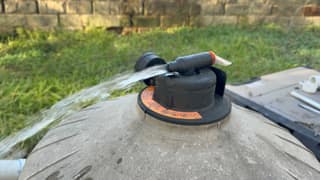
A tank left full of air after a service runs with reduced flow and can look exactly like a pump problem.
A Note on Booster Pumps
If you have a pressure-side pool cleaner, there is a second pump on the pad, and it causes a specific confusion.
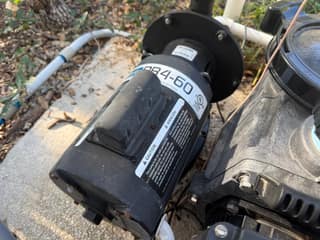
A booster pump does not pull from the pool. It takes water the main circulation pump has already pushed through the filter and pressurizes it for the cleaner. If the main pump is off, not primed, or starved for flow, the booster runs with nothing to pump. The cleaner stops, the booster motor can overheat, and the symptom looks like a cleaner or booster failure when the real problem is the main pump.
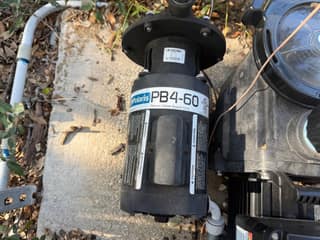
So: if the cleaner is not moving, confirm the main pump is primed and the return jets are strong before looking at the booster. And never run the booster alone.
When to Stop and Call Someone
Stop and get a pool technician if the pump trips a breaker, if the motor is hot to the touch or smells of burning, if the housing is cracked or leaking, or if you have fixed the water level, baskets, valves, and lid seal and the pump still will not hold prime. Those point to a failing pump seal, an underground suction leak, or a motor problem, and none of them are fixed by opening the filter again.
Frequently asked questions
Why does my pool pump run but the return jets are weak?
The most common causes are on the suction side: a low water level at the skimmer, a packed skimmer or pump basket, a closed or partially closed suction valve, or air leaking into the line at the pump lid or a fitting. A dirty filter also reduces flow, but it usually shows as high filter pressure rather than low.
How do I know if my pool pump has lost prime?
Look through the clear pump lid. A primed pump has a basket full of water with no large air pocket. A pump that has lost prime shows a mostly empty basket, air churning inside, or water that sloshes without filling the housing. The motor still runs, so the sound alone does not tell you.
Can I run the pump while I figure out the problem?
Not for long. A pump running without water overheats its seal and housing. If the basket is not filling within the priming time the manual specifies, shut the pump off and fix the suction-side problem before trying again.
My booster pump is running. Why is the pool cleaner not working?
A pressure-side cleaner booster pump only moves water that the main circulation pump supplies to it. If the main pump is off, not primed, or starved for flow, the booster runs dry and the cleaner does nothing. Fix the main pump first, and do not run the booster without the main pump.
Low filter pressure and weak flow at the same time: what does that mean?
That combination points away from the filter and toward the suction side. Dirty cartridges raise pressure. Low pressure with weak flow means water is not reaching the pump in the first place: check the water level, baskets, suction valves, and for air leaks.