


On this page
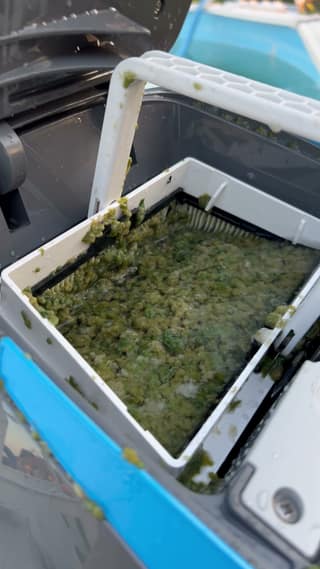
The best case for NanoFilters was sitting inside the basket when I opened my Dolphin Cayman.
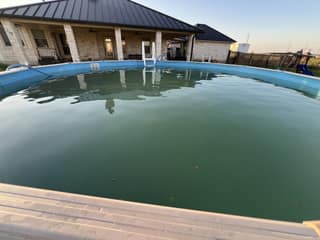
I had already run standard mesh through the pool. It caught leaves and larger debris, but the water still had a haze and powder kept settling on the floor. With the pleated panels installed, the basket came out packed with the fine algae the mesh had been letting through.
That is why I keep both filter sets. Mesh is better for bulky debris and fast rinsing. NanoFilters are for the material that makes the water look dull even after the obvious leaves are gone.
What Are NanoFilters?
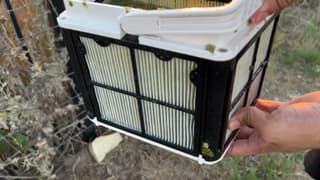
NanoFilters are Dolphin's name for its fine pleated filter media. Depending on the robot, they come as cartridge panels or as panels that fit around a MaxBin basket.
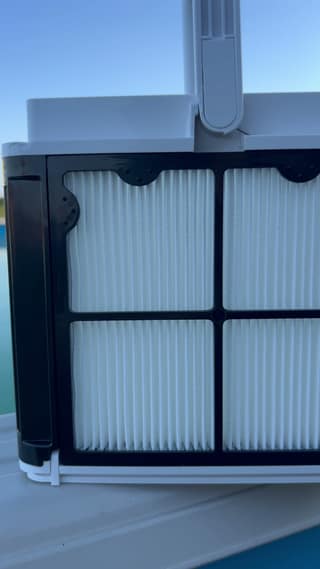
The folds matter. A flat mesh screen has relatively little filtering surface. Folding the fine media into deep pleats puts much more material into the same space, giving microscopic debris more places to collect without making the filter assembly much larger.
Dealer specifications list the media at down to 2 microns. A human hair is usually around 50 to 100 microns wide, so the claimed opening is at least 25 times smaller than a hair. In the pool, the useful proof was simpler: fine sand, pollen, dust, and dead algae stayed in the pleats instead of blowing back out.
How NanoFilters Work
A pool robot pulls water and debris through its intake. The basket or cartridge traps the debris, then cleaned water leaves through the exhaust.
With standard mesh installed, the larger openings keep water moving freely and catch leaves, insects, and other big pieces. Fine particles can pass through those openings and return to the pool. NanoFilters use much tighter media, so more of that material stays inside the robot.
While the robot moves, those panels work like a small traveling pool filter. They do not replace the main circulation system and they do nothing to balance the water, but they can grab particles before those particles settle again.
The Three Biggest Benefits
1. Clearer Water
Once the water chemistry is in range, NanoFilters can remove some of the fine material that makes a pool look flat or cloudy. I noticed the difference after the robot stopped leaving a haze behind its exhaust.
2. Better Fine-Debris Pickup
The biggest change is on the floor. Less dust gets recirculated, so less of it settles behind the robot after it passes. That is easy to spot on concrete, plaster, and gunite, where a pale layer of silt or dead algae stands out against the finish.
3. Swappable Filter Media
I do not use NanoFilters for every job. After a storm, I start with mesh so leaves do not pack the pleats. Once the large debris is gone, I switch to NanoFilters for the fine material underneath. A second pleated set is useful during a cleanup because one can go back into the robot while the other gets a proper rinse.
Can NanoFilters Clean Algae?
They can collect algae particles whether the cells are alive or dead, but filtration does not kill an algae bloom. The useful cleanup starts after sanitizer has done that job.
I tested them in a friend's above-ground pool during an algae cleanup. Once we corrected the water chemistry and killed the active algae, the robot started collecting the dead material. Standard mesh let much of that soft powder through; the NanoFilters held it.
The filter did not solve the outbreak. Chlorine, circulation, and balanced chemistry did that work. The robot removed what was left. It is a cleanup tool, not a substitute for sanitizer.
When to Use NanoFilters
I use NanoFilters for most normal cleaning cycles, especially when the pool has:
- Dead algae after a chemical treatment
- Cloudy water caused by suspended debris
- Fine silt or dust on the floor
- Heavy pollen
- Fine material left behind by a standard robot basket
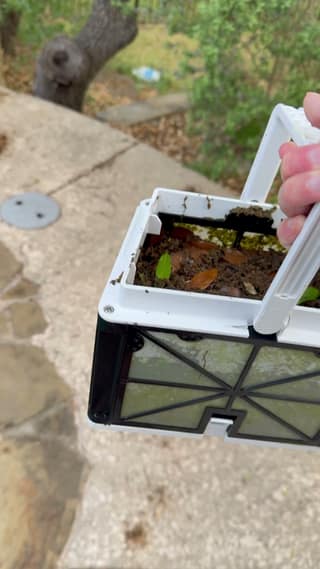
Mesh is still useful after a storm or during a heavy leaf drop. Its larger openings preserve flow and are faster to rinse when the robot is collecting bulky debris. Once the large material is gone, I switch back to NanoFilters for the cleanup pass.
NanoFilters vs. Standard Mesh Filters
The difference is easy to see. NanoFilters have deep folds and dense filter media. Standard panels look and feel more like a screen.
Mesh wins on leaves, unrestricted flow, and a quick rinse. NanoFilters win on the small particles that affect water clarity. The ability to switch is more useful than forcing either set to handle every kind of debris.
Which Robots Have NanoFilters?
These Dolphin robots are commonly sold with NanoFilters:
- Dolphin Premier: Included
- Dolphin Sigma: Included
- Dolphin Quantum: Included
These models support NanoFilters as an optional upgrade:
- Dolphin Cayman: Optional MaxBin NanoFilter panels
- Dolphin Escape: Optional MaxBin NanoFilter panels
Dolphin usually includes the filters with its ProLine robots. Cayman and Escape buyers can add them to the MaxBin, and some dealer packages bundle the upgrade. Check the list of included parts before ordering because the lowest price may be for the standard mesh basket only.
I used NanoFilters throughout my four years with the Dolphin Premier. Other brands use different names for similar pleated media. The Clear UV I now use, for example, has UltraFilters that serve the same basic purpose.
How to Clean NanoFilters
Cleaning them takes a few steps:
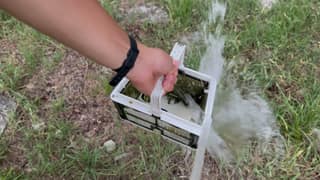
- Remove the basket or filter panels from the robot.
- Dump out leaves and other loose debris first.
- Use a strong garden-hose spray to rinse between the pleats.
- Turn the filter and rinse from both directions until the water runs clear.
- Check the folds and seams for tears before reinstalling it.
A nozzle helps, but I would not use a pressure washer because it can damage the media. A lightly loaded set takes about a minute. Filters packed with algae or pollen take longer because the material settles deep in the folds.
How Often Should You Clean Them?
If the robot runs on a weekly timer, I rinse the filters at the end of the week or whenever the basket fills, whichever comes first.
During an algae cleanup, a dust storm, or heavy pollen, I check them after every cycle. A loaded filter restricts water flow. If the robot stops climbing walls as well as it normally does, a dirty NanoFilter is one of the first things I check.
When to Replace NanoFilters
A set can last one to two years or longer. The lifespan depends on how often the robot runs, what it collects, and how carefully the filter is rinsed.
I replace a set when:
- The pleats or seams are torn
- The filter stays clogged after a thorough rinse
- Water flow or wall climbing does not return after cleaning
- The media has become brittle or misshapen
Keeping two sets on hand spreads out the wear and gives each set time for a more complete cleaning between cycles.
The Downsides
Fine filtration means more maintenance. NanoFilters fill faster than mesh in a dirty pool, and packed pleats take longer to rinse. As flow drops, a robot may lose suction or stop climbing as well.
They are also unnecessary for some jobs. If the pool only gets large leaves, mesh will collect them with less cleanup. NanoFilters make the biggest difference when the problem is small enough to pass through a screen.
Where to Buy Robots With NanoFilters
For a robot that includes the pleated filters, I would start with the Dolphin Premier, Dolphin Quantum, or Dolphin Sigma. For a less expensive MaxBin robot, compare the Dolphin Cayman and Dolphin Escape, then confirm whether the listing includes the NanoFilter panels or sells them separately.
The buying links above point only to Poolbots, PoolRobots, PremierRobotic, or QuantumRobotic. The Clear UV uses its own UltraFilter system and is also listed through Poolbots and PoolRobots.
Are NanoFilters Worth It?
Yes. If I were buying another compatible Dolphin, I would get the NanoFilters with it.
They gave me the best fine-debris pickup I have seen from a Dolphin. I still keep mesh nearby for leaves, but when the problem is dead algae, pollen, sand, or silt, the NanoFilters go into the basket.
Frequently asked questions
Can NanoFilters remove algae?
NanoFilters can collect dead algae after chlorine or another sanitizer kills it. They cannot kill algae or correct unbalanced pool water.
How often should I clean NanoFilters?
Rinse them whenever the basket is full and after any heavy algae, pollen, or silt cleanup. On a normal weekly schedule, I clean mine at the end of each week.
How long do Dolphin NanoFilters last?
A set can last one to two years or longer, depending on use and cleaning. Replace it when the pleats or seams are damaged, or when a thorough rinse no longer restores the robot's flow and wall climbing.
Which Dolphin robots have NanoFilters?
The Dolphin Premier, Sigma, and Quantum are commonly sold with NanoFilters. The Dolphin Cayman and Escape support them as an optional MaxBin upgrade. Package contents can change, so check the product listing before buying.
Are NanoFilters only available for Dolphin cleaners?
NanoFilter is Dolphin's name for its fine pleated media. Other brands sell similar filters under different names, such as the Clear UV UltraFilter.


